Chiswick carpet cleaning near Chiswick High Road W4: a practical local guide for cleaner, healthier carpets
If you live, work, or run a busy property near Chiswick High Road W4, carpet care tends to move from "nice to have" to "please sort this soon" rather quickly. Mud at the door after a wet commute, a coffee splash that darkens over time, pet odours that seem to linger no matter how often you vacuum - it all adds up. This guide to Chiswick carpet cleaning near Chiswick High Road W4 explains what professional cleaning involves, why it matters, how to choose the right method, and what good results should look like in the real world.
We'll also cover common mistakes, sensible expectations around drying and stain removal, and the practical checks that help you avoid disappointment. If you want a carpet to look better and last longer, but you also want straight answers rather than sales fluff, you're in the right place.
Why Chiswick carpet cleaning near Chiswick High Road W4 matters
Carpets near a busy high street take more punishment than many people realise. Even if your home sits a short walk off Chiswick High Road, dust, grit, pollen, and general foot traffic find their way in. Shoes track in tiny abrasive particles that settle deep in the pile, and over time they can make fibres look flat and tired. The carpet may still be "clean enough" at a glance, but it can feel sticky underfoot or start to hold on to odours. That is usually the bit people notice first.
In a family home, the issue is often daily life: children, snacks, pets, and the occasional spill that was dealt with quickly but not thoroughly. In a commercial setting, the pressure is different. A reception area, shop floor, clinic waiting room, or office near the high road needs to look presentable every day. Once a carpet looks dull, it quietly drags down the whole room. Let's face it, nobody wants a smart space to be undermined by a grubby entrance runner.
There's also a practical longevity angle. Regular professional cleaning can help delay wear, reduce the build-up of embedded dirt, and keep carpet fibres looking fuller for longer. That matters even more if the carpet is a decent one. Replacing a carpet is far more disruptive and expensive than maintaining it properly, and that's before you deal with furniture moving, disposal, and all the faff in between.
Expert summary: If your carpet sees regular foot traffic, visible soiling is only part of the story. The deeper issue is what is trapped below the surface - grit, residue, and odour-causing build-up that ordinary vacuuming rarely removes on its own.
There's a local rhythm to it too. In W4, many properties mix older layouts with modern lifestyles: period floors, rental flats, busy family homes, ground-floor spaces with more street dust, and offices that need quick turnaround. The right cleaning approach has to fit the property, the carpet fibre, and your schedule. That's really the point.
How Chiswick carpet cleaning near Chiswick High Road W4 works
Professional carpet cleaning is not just "wet the carpet, scrub it, hope for the best." A good service starts with inspection. The cleaner should look at the fibre type, condition, stain history, traffic lanes, and any areas of concern such as pet accidents or spilt drinks. Wool, synthetic fibres, and mixed carpets behave differently, so a one-size-fits-all approach is rarely the best idea.
Most reputable cleaning jobs follow a sequence. First comes vacuuming or pre-vacuuming, which removes dry soil that would otherwise turn into muddy residue during cleaning. Then a pre-treatment is applied to loosen grime and break down specific marks. Agitation may follow, using brushes or pads to work the solution into the pile. After that, the main extraction or cleaning stage removes the loosened soil. Finally, the carpet is checked, and any stubborn marks may receive a targeted stain treatment. Simple enough in theory. In practice, the judgement is in the details.
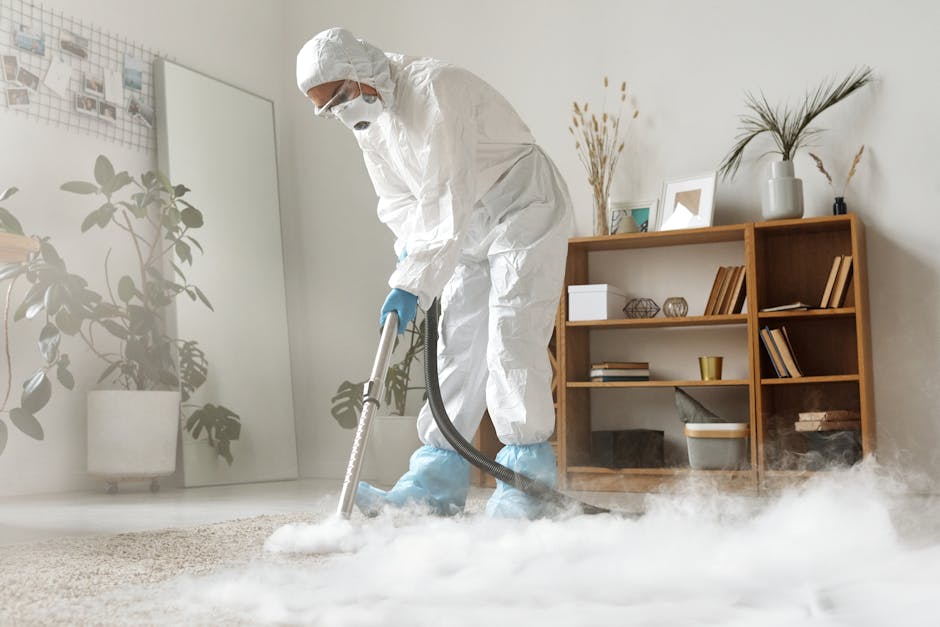
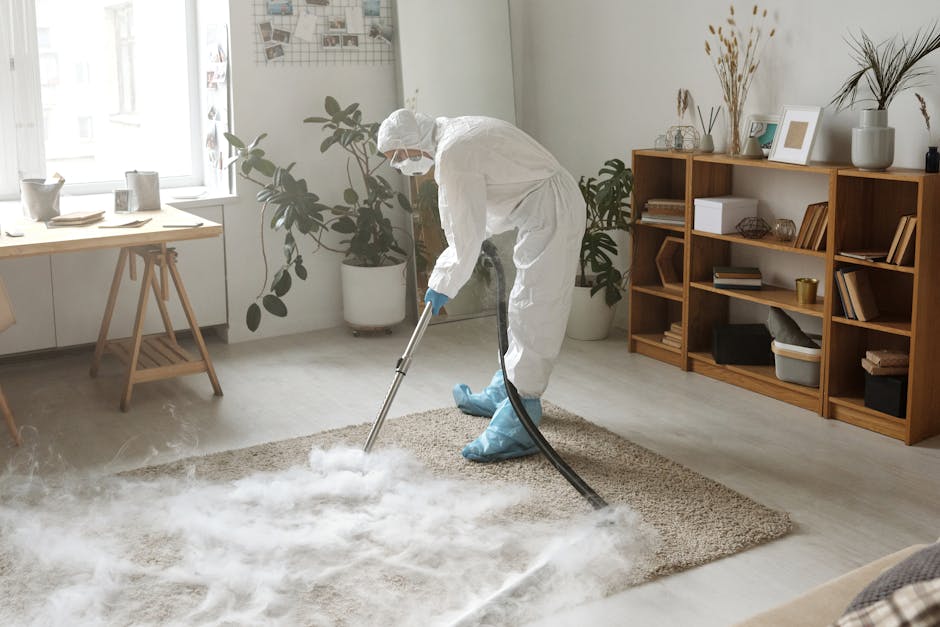
Two methods are especially common: hot water extraction and low-moisture or steam-style cleaning. The names are sometimes used loosely by customers, so it helps to ask what is actually being done. If you want a broader overview of the process, the site's carpet cleaning service page and steam carpet cleaning information are useful starting points.
Drying time depends on the method, room ventilation, carpet thickness, and how much solution was used. A light synthetic carpet in a breezy room may dry quickly; a thick wool carpet in a cooler flat may take longer. That is normal. What you want to avoid is a carpet left over-wet, because that can lead to lingering dampness, re-soiling, and a less satisfying finish. Nobody enjoys that slightly soggy Tuesday afternoon smell, do they?
Key benefits and practical advantages
The biggest benefit is obvious: the carpet looks better. But if that were the only gain, this would be a much shorter article. The real value is broader.
- Improved appearance: traffic lanes soften, colours look brighter, and the whole room feels fresher.
- Better underfoot feel: dirt and residue can make fibres feel rough or sticky. Cleaning helps restore a more natural texture.
- Odour reduction: spill residue, pet accidents, and general build-up can create smells that vacuuming alone will not touch.
- Longer carpet life: removing grit and embedded debris reduces the abrasive wear that slowly damages fibres.
- Healthier indoor environment: while carpet cleaning is not a medical treatment, it can help reduce accumulated dust and allergens in the pile.
- Better first impressions: especially important for businesses, landlords, letting agents, and anyone preparing a property for viewings.
There's also a psychological benefit that people underestimate. A clean floor changes how a room feels. It creates a sense of order. When you walk into a living room and the carpet looks fresh, the whole space seems calmer somehow. Small thing, maybe. But you notice it.
If you are comparing services beyond carpets, it can be sensible to think about the room as a whole. Items like sofas, rugs, and curtains often collect the same dust and airborne debris. In some homes, combining carpet care with sofa cleaning, rug cleaning, or curtain cleaning creates a more even result across the space.
Who this is for and when it makes sense
Truth be told, almost anyone with a carpet can benefit from professional cleaning at some point. But the timing and urgency vary.
Homeowners and tenants often need help after spills, pet accidents, moving in, moving out, or a period of heavy use. If you have children, dogs, or a hallway that sees constant traffic, cleaning usually makes sense before the carpet looks visibly "bad." Waiting until it is obviously tired is common, but not ideal.
Landlords and letting agents tend to need a dependable turnaround between tenancies. A carpet can look fine in photos and still carry odour, marks, or general dullness that shows up in person. For that reason, end-of-tenancy carpet work is often about consistency rather than dramatic rescue.
Businesses near Chiswick High Road may need regular maintenance cleaning for offices, salons, consulting rooms, retail units, and hospitality spaces. Customers and staff notice floors quickly. A tidy carpet signals care, and a neglected one does the opposite.
Pet owners are in a category of their own. Pet hair, dander, and the odd accident can settle deep in fibres. If the carpet smells clean but not quite clean-clean, pet stain treatment may be the missing piece. The page on pet stain and odour removal is worth a look if that sounds familiar.
People dealing with isolated stains may not need a full room clean. Sometimes a focused treatment is enough, especially for fresh spills or one stubborn patch near a doorway. That said, a stain that has had months to settle is a different beast entirely. The longer it sits, the more it bonds with the fibre. Not great, but fixable in many cases.
Step-by-step guidance
If you have never booked a carpet cleaner before, the process is usually more straightforward than it looks. Here is a practical way to think about it.
- Identify the problem areas. Walk the property and note traffic lanes, stains, odours, pet spots, and any loose seams or damage.
- Check the carpet type. If you know the fibre, mention it. Wool, nylon, polypropylene, and blends all respond a bit differently.
- Request a clear quote. Good pricing should be based on room size, condition, and any special treatment needed. For transparency, review the company's pricing and quotes guidance before booking.
- Prepare the room. Move small items, pick up toys, clear loose cables, and make access easier. If furniture moving is included, confirm which pieces are covered.
- Discuss stains honestly. Old marks, bleach spots, ink, wine, or pet urine are all different. A cleaner can only assess properly if they know what they are dealing with.
- Choose the right method. Some carpets suit hot water extraction, while others benefit from lower-moisture treatment. If in doubt, ask why a method is recommended.
- Allow proper drying. Open windows if practical, keep foot traffic light, and avoid replacing heavy furniture too early unless you have been told it is safe.
- Inspect the result. Look at edges, corners, and traffic lanes, not just the centre of the room. Those are the areas where shortcuts show up first.
A simple tip: take a quick photo before the work starts. Not because you expect trouble, but because it gives you a fair comparison afterwards. And yes, it also helps you spot the tiny patch under the radiator you forgot was there.
Expert tips for better results
Small choices make a surprising difference. In our experience, the best outcomes usually come from sensible preparation rather than dramatic effort.
- Vacuum well before the appointment. Removing dry dust first helps the cleaning solution work on actual residue rather than loose debris.
- Deal with spills quickly, but gently. Blot rather than rub. Rubbing pushes the spill deeper and can distort the pile.
- Be careful with DIY spot treatments. Some sprays leave residue or worsen colour loss. If you are uncertain, pause before adding more chemicals to the mix.
- Ask about residue-free cleaning. Leftover detergent can attract dirt faster, which makes a carpet look dull again sooner.
- Think about airflow. Openings, fans, and room temperature affect drying more than many people expect.
- Use protective mats in high-traffic spots. A good entrance mat near the hallway can save a lot of wear, especially in wet weather.
One practical insight: if a room is used heavily every day, a lighter maintenance clean can sometimes be more effective than waiting for one heroic deep clean. Less drama, better long-term result. Bit boring, but true.
For properties where carpets are part of a bigger soft-furnishing setup, it may also help to coordinate with upholstery cleaning or mattress cleaning so the whole space feels consistently fresh rather than half-done.
Common mistakes to avoid
Most carpet problems are not caused by one huge error. They come from a handful of small missteps repeated over time.
- Choosing only by price: the cheapest quote may omit pre-treatment, stain work, or proper drying time.
- Assuming all carpets can be cleaned the same way: they cannot. Delicate fibres need a more careful touch.
- Ignoring old stains for too long: the longer a mark sits, the harder it is to shift completely.
- Over-wetting the carpet: too much moisture can create a lingering damp smell and slow drying.
- Using random household products: some can set stains, bleach fibres, or leave a sticky residue behind.
- Not asking about insurance and safety: if someone is coming into your home or premises, you want confidence that the job is covered and handled responsibly.
There is also a quieter mistake: expecting miracles on every mark. A professional cleaner can often improve a carpet dramatically, but some stains are permanent by nature, especially if the fibres have been chemically damaged already. A trustworthy company should say that plainly rather than promising the moon. That honesty matters.
Tools, resources and recommendations
You do not need a van full of equipment to make a good decision, but a few practical resources help.
First, use a short written note of your priorities: are you focused on appearance, odour, allergens, end-of-tenancy readiness, or a specific stain? That keeps the conversation useful and stops the booking turning into guesswork. Second, ask for clarity on what is included. Some services include pre-treatment and spot work as standard; others separate those out.
When comparing options, it helps to look at the company's own support pages. The information on about the company, insurance and safety, and health and safety can tell you a lot about how seriously they take the work. If a business is clear about payment security and customer care, that is usually a good sign too; the payment and security information is a sensible page to check before confirming anything.
For environmentally conscious customers, it is also worth reading the recycling and sustainability guidance if you want to understand how waste, water use, and product choices are handled. Not every carpet job is eco-heavy, but the way a company works can still reflect its wider standards.
If anything is unclear, a direct conversation is still the best tool. A brief phone call or message can tell you more than three pages of polished sales copy. Sometimes a five-minute chat saves a five-hour headache.
Law, compliance, standards, or best practice
Carpet cleaning is not usually a heavily regulated trade in the way that medical or construction work can be, but there are still important standards and duties that sensible providers follow. In the UK, customers should expect straightforward consumer information, honest pricing, reasonable care with property, and safe handling of chemicals and equipment. If a service is being carried out in a business setting, the duty to manage risk becomes even more important.
Good practice usually includes:
- appropriate public liability and treatment cover where relevant
- clear communication about limitations and expected outcomes
- safe use of cleaning agents and electrical equipment
- careful movement of furniture and protection of surfaces
- respect for customer privacy and property
- transparent terms and complaints handling
If you are booking for an office, shop, or shared building, it is sensible to ask whether the cleaner can work around opening hours and whether any access or safety requirements need to be managed in advance. For residential work, ask the same questions if you have children, elderly residents, pets, or sensitive flooring nearby. The best providers are calm about these conversations; they should be, really.
It is also good practice to make sure any promises match the carpet's condition. A reputable cleaner should explain when stain removal is likely, when improvement is probable, and when a mark may be permanent. That kind of measured language is a sign of experience, not hesitation.
Options, methods, or comparison table
Different carpets and different goals call for different methods. Here is a simple comparison to help you think it through.
| Method | Best for | Strengths | Things to watch |
|---|---|---|---|
| Hot water extraction | General deep cleaning, traffic lanes, most synthetic carpets | Good soil removal, strong all-round result, widely used | Drying time can be longer if ventilation is poor |
| Low-moisture cleaning | Quick turnaround, lighter maintenance, some commercial settings | Faster drying, less disruption | May be less suitable for heavy soiling or deep contamination |
| Targeted stain treatment | Isolated spills, pet spots, specific marks | Focused approach, cost-effective for one-off issues | Not always enough on its own if the whole carpet is dull |
| Maintenance cleaning | Busy homes and commercial properties | Keeps appearance steady, avoids major build-up | Needs a regular schedule to work properly |
If you are unsure which route is right, ask the cleaner to explain the difference in plain English. A good answer should sound practical, not scripted. You want someone who can say, "This is why I'd use this method for your carpet," and mean it.
Case study or real-world example
Here is a realistic example based on the kind of job that comes up often near Chiswick High Road. A ground-floor flat had a hallway carpet that looked acceptable at first glance, but it had darkened along the main walking line and carried a faint damp-pet smell near the entrance. The owners had been vacuuming regularly, yet the carpet still looked flat in the middle and slightly shadowed at the edges.
The first step was an inspection. The cleaner identified a synthetic carpet with a couple of older drink marks, some pet-related odour, and plenty of grit near the doorway. The work began with thorough vacuuming, then a pre-treatment for the traffic lane areas, followed by extraction and a separate spot treatment around the stain patches. Nothing dramatic. Just the right sequence.
After cleaning, the carpet looked lighter and the pile stood up better, especially in the hallway where feet had been flattening it for months. The smell was reduced as well. Not magically gone in the sense of perfumed theatre, just properly fresher. The owners then improved their entrance matting and started planning a lighter maintenance clean for the next cycle rather than waiting for the carpet to get visibly tired again.
That is usually the winning formula. Address the cause, clean carefully, then stop the same wear pattern from building back up too quickly. Simple, sensible, effective.
Practical checklist
Use this quick checklist before booking or on the day of the clean.
- Identify which rooms or areas need attention.
- Note any stains, odours, or pet accidents.
- Check whether the carpet is wool, synthetic, or a blend.
- Ask what cleaning method is recommended and why.
- Confirm what is included in the quote.
- Ask about drying time and aftercare.
- Move fragile items and clear easy-access surfaces.
- Plan where pets, children, or staff will be during the work.
- Read the company's terms and conditions if you want full clarity.
- Inspect the finished carpet in good light, not just from the doorway.
Quick takeaway: the best carpet cleaning near Chiswick High Road W4 is not only about making the carpet look good on the day. It is about choosing a method that suits the fibre, the stain, the space, and the amount of daily wear the carpet actually takes.
Conclusion
Carpet cleaning in Chiswick is one of those jobs that seems simple until you look closely at what the carpet has been through. Traffic, spills, pets, street dust, and everyday life all leave a mark. The right service can make a room look fresher, feel better, and last longer, but the real value comes from choosing an approach that fits the carpet rather than forcing the same treatment on everything.
If you are comparing options near Chiswick High Road W4, focus on method, transparency, drying time, stain handling, and trust. Those are the things that separate a decent clean from a genuinely helpful one. And if you have been putting it off for a while, fair enough - most people do. The good news is that carpets often improve more than you expect once they are cleaned properly.
Get a free quote today and see how much you can save.
Sometimes the nicest part is simply walking into the room afterwards and thinking, yes, that feels better.
Frequently Asked Questions
How often should carpets near Chiswick High Road W4 be professionally cleaned?
It depends on foot traffic, pets, children, and whether the carpet is in a home or business. Busy areas usually need cleaning more often than low-use rooms. A hallway or reception space may need more regular attention than a spare bedroom, for example.
Is steam carpet cleaning safe for wool carpets?
It can be, but wool usually needs careful treatment, controlled moisture, and the right cleaning solution. The method matters more than the label. Always ask how the cleaner plans to handle the fibre before booking.
Will professional carpet cleaning remove all stains?
Not always. Fresh spills are usually easier to improve than old, set-in stains. Some marks are permanent if the fibre has been chemically damaged or the spill has altered the dye. A good cleaner should explain the likely result honestly.
How long does a carpet take to dry after cleaning?
Drying time varies with the method, ventilation, room temperature, and carpet thickness. Some carpets dry fairly quickly, while thicker or heavier-cleaned carpets can take longer. It is sensible to plan for light foot traffic until the carpet is properly dry.
Can I stay at home while the carpet is being cleaned?
Yes, in most cases you can. Many people simply keep the room accessible and move around the cleaned areas carefully. If you have children or pets, it helps to plan the timing so the rooms can dry without extra foot traffic.
What should I do before the cleaner arrives?
Vacuum if you can, clear small items from the floor, and point out problem areas when the cleaner arrives. If there are delicate items, electrical leads, or awkward furniture, mention them early. That saves time and avoids confusion.
Is it worth cleaning a carpet before moving out of a property?
Often, yes. A freshly cleaned carpet can improve the overall presentation and help a property feel cared for. If you are a tenant, it is wise to check your tenancy expectations first. If you are a landlord, a clean carpet usually makes the next viewing smoother.
What is the difference between carpet cleaning and stain removal?
Carpet cleaning treats the whole area, lifting general soil and dullness. Stain removal targets a specific mark or patch. In many cases the two work together, because a stain may need specialist treatment even when the rest of the carpet only needs a standard clean.
Can carpet cleaning help with pet odours?
Yes, especially if the odour is coming from residue in the fibres rather than something deeper in the underlay. Pet issues can be stubborn, though, so the right treatment matters. If odour is your main concern, a dedicated pet stain and odour removal service may be more suitable than a general clean alone.
Should I choose the cheapest carpet cleaner I can find?
Not necessarily. Price matters, of course, but so do method, transparency, and the chance of a proper result. A very low quote can sometimes leave out key steps like pre-treatment or meaningful stain work. That bargain may not feel like one later.
What should a trustworthy carpet cleaning company be clear about?
They should be clear about what is included, how they will treat stains, how long drying may take, and any limitations on results. It also helps if they are open about safety, payment, and terms. That kind of clarity is a good sign of a professional service.